
SupaIntent logoSupaIntent

SupaIntent AI Ads Library for ChatGPT and Google AI Mode

SupaIntent records ad appearances for creative research. Observations are not impressions, spend, targeting, conversions, or performance data.

Unique ad creatives
3,458
Recorded appearances
8,284
Last feed refresh
Aug 24, 2026

Latest observed ads

Showing 101-200 of 3,458 ad creatives.

Sponsored

Top5Best.com ad creative: Top 5 Best no-ad

Top 5 Best no-ad

Guide to No-Ad Products: Embracing the Ad-Free Experience In the digital age, advertisements are ubiquitous, often overwhelming the online experience. While many appreciate the content that ads help finance, a growing number of users prefer a cleaner, less distracting interface. This guide focuses on no-ad options, offering insights into the benefits and considerations, as well as tips for finding the right no-ad products for your needs. What Are No-Ad Products? No-ad products are offerings designed to eliminate advertisements, focusing instead on delivering a streamlined and distraction-free user experience. They span a wide variety of applications and services, including: - Streaming Services: Enjoy movies, TV shows, and music without interruptions from commercials. - Web Browsers: Specific tools or extensions help block ads, creating a clean browsing experience. - Mobile Apps: Some applications provide a paid option that removes ads entirely. - Digital Publications: Many magazines and journals offer ad-free subscriptions. Benefits of Using No-Ad Products Choosing no-ad products can enhance your online experience in various ways: 1. Improved Focus: Without the distraction of ads, users can concentrate better on the content that matters. This is particularly beneficial for students, professionals, and anyone engaged in tasks requiring deep focus. 2. Faster Loading Times: Ads can significantly increase loading times. No-ad products often result in quicker access to your desired content or services. 3. Reduced Data Usage: Ads consume bandwidth, which can be a concern for users on limited data plans. Using no-ad options can help save data by limiting the amount of content loaded. 4. Enhanced Security: Ad blockers can prevent potentially harmful ads and reduce exposure to malware and phishing attempts that often accompany advertisements. 5. Positive User Experience: Many users report a more enjoyable and satisfying online experience when ads do not interrupt their activities. Considerations When Choosing No-Ad Products While the advantages are clear, there are certain factors to keep in mind: Subscription Costs Many no-ad products come at a premium. Consider the balance between cost and the enhanced experience. Determine whether the investment aligns with your budget and usage habits. Restricted Content Some services may limit access to specific content unless you opt for their ad-supported versions. Before committing, ensure that the no-ad version provides the features and content you desire. Compatibility Not all no-ad options work seamlessly with every device or platform. Verify compatibility with your preferred devices, whether it’s desktop, mobile, or smart TVs. Support and Updates Regular updates and customer support are crucial for maintaining a smooth experience. Choose products from providers known for their reliability and responsiveness. Tips for Finding and Utilizing No-Ad Products Research and Reviews Before committing to any no-ad service, conduct thorough research. Look for reviews and comparisons to understand the user experience better. Consider visiting technology forums or websites that focus on product comparisons to see what others are saying. Trial Periods Many no-ad products offer free trials or introductory periods. Take advantage of these offers to evaluate the service. This approach allows you to gauge its effectiveness and whether it meets your needs before making a financial commitment. Use Multiple Tools Consider employing a combination of no-ad options in your daily digital routine. For example, you might use an ad-blocking extension alongside a no-ad streaming service, enhancing your overall experience. Customize Settings Most no-ad products come with customizable settings. Take the time to adjust these settings according to your preferences, ensuring an experience tailored to your needs. Stay Informed The landscape of digital advertising is constantly evolving. Keep yourself informed about new no-ad options and updates to existing services. Stay connected with tech blogs, social media discussions, and newsletters to remain aware of new solutions that may enhance your experience. Conclusion Ad-free experiences in the digital world offer numerous benefits, from improved focus and faster loading times to enhanced security. However, it’s essential to weigh the associated costs and potential content restrictions. By conducting thorough research, utilizing trial periods, and making informed choices, you can fully embrace an ad-free lifestyle that enhances your online experiences. Whether you’re watching your favorite series, reading a novel, or browsing the web, no-ad products can significantly improve your interaction with digital content. Embrace the tranquility that comes with a cleaner, ad-free experience!


Last Seen
Channel
ChatGPT
Appearance
1
Spot AI ads around your brand

Sponsored

Top5Best.com ad creative: Top 5 Best spagetti

Top 5 Best spagetti

Spaghetti Buying Guide Spaghetti is one of the most beloved pasta varieties in the world, cherished for its versatility and ease of preparation. Whether you’re a seasoned chef or a novice in the kitchen, selecting the right spaghetti can greatly enhance your dishes. This buying guide aims to help you navigate the various types of spaghetti available on the market, ensuring you choose the ideal option for your culinary needs. Types of Spaghetti Before you head to the store, it's essential to understand the different types of spaghetti that are available. This will help you select the best variant for your recipes. Traditional Spaghetti This is the most common type of spaghetti, which is long, thin, and cylindrical. Traditional spaghetti is typically made from durum wheat semolina and water, giving it a firm texture when cooked. Whole Wheat Spaghetti For those seeking a healthier option, whole wheat spaghetti is a great choice. Made from whole grain, this pasta is higher in fiber, nutrients, and has a nuttier flavor compared to traditional spaghetti. Gluten-Free Spaghetti If you or someone in your household is gluten-sensitive or has celiac disease, gluten-free spaghetti made from alternative ingredients like rice, corn, or quinoa can be a fantastic substitute. These options come in various textures and flavors, so it may take some experimentation to find your favorite. Specialty Spaghetti Various specialty spaghetti options are also available, including spinach-infused, tomato-infused, or squid ink spaghetti. These unique types can add extra flavor and visual appeal to your dishes, making them an excellent choice for special occasions. Sizing and Shape Variations Spaghetti typically comes in standard lengths, usually around 25-30 cm. However, some brands offer shorter or “breakable” versions for convenience in smaller pots or for specific recipes. Consider what you need when selecting the length. Cooking Time and Texture Different types of spaghetti may require different cooking times. Traditional spaghetti usually cooks in 8-12 minutes, whereas whole wheat or gluten-free options may take longer. Always check the cooking instructions on the package. When cooked, spaghetti should be al dente , which means it is firm to the bite. This texture is crucial for retaining the perfect balance of flavor and mouthfeel when combined with sauces. Brand and Ingredient Considerations When choosing spaghetti, consider the following: - Ingredients : Look for spaghetti made from only durum wheat and water for traditional options. For whole wheat varieties, check that they are made from 100% whole grain. For gluten-free options, also review the ingredient list for added preservatives or additives. - Quality : A good quality spaghetti will have a rougher texture, which helps sauces cling better. Usually, higher-quality products use a bronze die in the extrusion process, which imparts a more textured surface. - Organic Options : If you prefer organic products, look for spaghetti labeled as such. Organic varieties are made from wheat grown without synthetic fertilizers and pesticides. Where to Buy You can find spaghetti in various stores, including: - Supermarkets : Most large supermarkets offer a wide range of spaghetti options, from traditional to gluten-free. - Specialty Stores : Italian or gourmet specialty shops may offer a broader selection of artisanal and unique spaghetti types. - Health Food Stores : These often stock whole wheat and gluten-free options. - Online Retailers : Shopping online can provide access to a larger variety of brands and types, allowing you to read reviews and ingredient lists carefully. Price Consideration Spaghetti prices can vary significantly based on quality, type, and brand. Generally: - Budget Options : Standard spaghetti can often be found for a low price in bulk or generic packaging. - Mid-Range : Whole wheat and some artisanal varieties typically fall into the mid-range price category. - Premium : Specialty items like organic, gluten-free, or unique flavor-infused spaghetti often come at a higher price point. Serving Suggestions The beauty of spaghetti lies in its adaptability. Here are a few serving suggestions: - Classic Marinara : Pair with a rich tomato sauce and fresh basil. - Pesto : Toss with a vibrant basil pesto for a fresh, herby flavor. - Cream Sauces : Combine with Alfredo or a rich cheese sauce for a comforting meal. - Cold Dishes : Use it in a pasta salad with vegetables and vinaigrette for a refreshing dish. Conclusion Choosing the right spaghetti can play a significant role in the outcome of your dishes. By understanding the types available, the ingredients used, and cooking preferences, you can make informed decisions that cater to your tastes and dietary needs. From traditional options to gluten-free alternatives, there's a spaghetti out there for everyone! Enjoy experimenting with different sauces and flavors, and create delicious meals for yourself and your loved ones.


Last Seen
Channel
ChatGPT
Appearance
1
Spot AI ads around your brand

Sponsored

Top5Best.com ad creative: Top 5 Best spagetthi

Top 5 Best spagetthi

The Ultimate Buying Guide for Spaghetti Spaghetti is a beloved ingredient in many households, known for its versatility and ability to be paired with countless sauces and toppings. Whether you're a seasoned chef or a cooking novice, understanding how to choose the right spaghetti can make a significant difference in your meals. This buying guide will help you navigate the different types of spaghetti available, understand various considerations for your purchase, and enhance your cooking experience. Types of Spaghetti When shopping for spaghetti, you'll find several variations to consider. Each type offers unique textures and flavors: 1. Traditional Wheat Spaghetti - Description: The classic choice, made from durum wheat semolina. It has a firm texture and holds sauces well. - Uses: Pairs with almost any sauce, especially tomato-based or cream sauces. 2. Whole Wheat Spaghetti - Description: Made from whole grain durum wheat, this option is higher in fiber and nutrients. - Uses: Ideal for health-conscious individuals, pairs well with pesto and vegetable sauces. 3. Gluten-Free Spaghetti - Description: Made from gluten-free grains like rice, corn, or quinoa. This choice is perfect for those with gluten sensitivities. - Uses: Works well with lighter sauces, like olive oil and lemon, or served in salads. 4. Egg Noodles - Description: While technically in a different category, egg noodles share similarities with spaghetti and add richness due to the egg content. - Uses: Great for heavier, cream-based dishes, or combined into casseroles. 5. Novelty Spaghetti - Description: Varieties infused with ingredients like spinach, beet, or other vegetables to add color and flavor. - Uses: Fun for special occasions or kid-friendly meals, pairs with simple sauces to highlight the flavors. 6. Artisanal Spaghetti - Description: Handcrafted or small-batch spaghetti made with traditional methods, offering unique textures and shapes. - Uses: Best enjoyed with simple sauces that emphasize the pasta's quality. Key Considerations When Buying Spaghetti When selecting spaghetti, consider the following factors to ensure you choose the best option for your needs: 1. Ingredients - Check for high-quality ingredients. Look for spaghetti made from 100% durum wheat semolina for the best texture and cooking performance. 2. Texture and Cooking Time - Different types of spaghetti may require different cooking times. Traditional wheat spaghetti usually takes 8-12 minutes, depending on thickness. Check the packaging for specific recommendations. 3. Nutritional Content - If you have dietary preferences or restrictions, explore options like whole wheat or gluten-free spaghetti. Whole wheat is higher in fiber, while gluten-free may offer fewer carbs depending on the grain employed. 4. Shape and Size - Spaghetti comes in various thicknesses. Thin spaghetti cooks faster and can be used for lighter dishes, while thicker varieties stand up better to hearty sauces. 5. Sourcing - Consider purchasing from local shops or farmers' markets for artisanal varieties. This may help support local businesses while giving you access to unique flavors. 6. Cost - Pricing can vary significantly. While mass-produced options are generally less expensive, you may want to invest more in artisanal or organic varieties for higher quality. Cooking Tips Once you've purchased your spaghetti, keep the following tips in mind to ensure delicious results: 1. Proper Cooking - Always boil spaghetti in a large pot of salted water. This helps to season the pasta and enhances flavor. 2. Al Dente Texture - Aim for an ‘al dente’ texture, which means the spaghetti should be firm to the bite. This quality helps it hold up better when mixing with sauces. 3. Reserve Pasta Water - Save a cup of pasta cooking water before draining. This starchy water can be added to sauces to improve consistency and help them adhere to the pasta. 4. Pairing with Sauce - Consider the weight of your sauce when choosing your spaghetti. Heavier sauces pair well with thicker spaghetti, while lighter sauces complement thinner varieties. 5. Experiment with Preparations - Don’t hesitate to explore spaghetti in unexpected dishes, such as spaghetti salads or baked pasta dishes. Conclusion Choosing the right spaghetti can greatly enhance your culinary experience. By considering the types of spaghetti, your personal preferences, and following cooking tips, you can create delicious meals your family and friends will love. Enjoy your culinary adventures with spaghetti as the star!

Last Seen
Channel
ChatGPT
Appearance
1
Spot AI ads around your brand

Sponsored

Top5Best.com ad creative: Top 5 Best spaghetti noodles pasta

Top 5 Best spaghetti noodles pasta

A Comprehensive Guide to Spaghetti Noodles Pasta Spaghetti noodles are a staple in many cuisines worldwide, particularly in Italian cooking. Their long, thin shape and versatility lend themselves to a variety of dishes, making them a beloved choice for both home cooks and professional chefs alike. This guide explores everything you need to know about spaghetti noodles, including their history, preparation, and some popular recipes. History of Spaghetti Noodles Spaghetti is believed to have originated in Italy and has roots that date back to the 12th century. While long, thin pasta has been made since ancient times, the specific form known as spaghetti began to gain popularity in the southern regions of Italy, particularly Naples. The name "spaghetti" comes from the Italian word "spaghi," which means "thin twine." The introduction of tomatoes to Italy in the 16th century revolutionized how pasta, including spaghetti, was served. The combination of spaghetti with tomato-based sauces became a defining characteristic of Italian cuisine. Today, spaghetti is enjoyed globally and has inspired a myriad of variations and regional recipes. Types of Spaghetti Noodles While spaghetti noodles are generally made from wheat flour and water, there are several variations that cater to different dietary preferences: - Whole Wheat Spaghetti: Made from whole grain flour, this type contains more fiber and nutrients compared to regular spaghetti. - Gluten-Free Spaghetti: Typically made from rice flour, corn flour, or other gluten-free grains, this option is suitable for those with gluten sensitivities. - Vegan Spaghetti: Most traditional spaghetti noodles are vegan, but it’s always good to check the ingredients if you're aiming for a plant-based diet. - Lentil or Chickpea Spaghetti: These noodles are high in protein and fiber, making them a nutritious alternative to traditional pasta. Cooking Spaghetti Noodles Cooking spaghetti noodles is a straightforward process, but following a few key steps will ensure that they turn out perfectly al dente and flavorful. Ingredients - Spaghetti noodles - Water - Salt Cooking Steps 1. Boil Water: Fill a large pot with water. Use about 4-6 quarts of water for every pound of spaghetti. Place it on the stove over high heat and bring it to a rolling boil. 2. Add Salt: Once the water is boiling, add a generous amount of salt (approximately 1-2 tablespoons). This step enhances the flavor of the pasta. 3. Cook the Spaghetti: Add the spaghetti noodles to the boiling water. Stir gently to prevent them from sticking. Refer to the package instructions for cooking time, but typically it ranges from 8 to 12 minutes. 4. Check for Doneness: Taste the noodles a minute or two before the suggested cooking time. They should be firm to the bite, known as "al dente." 5. Drain and Serve: Once cooked, drain the spaghetti in a colander. Do not rinse, as this will wash away the starch that helps sauces adhere. Sauces and Pairings Spaghetti noodles pair well with a variety of sauces, both traditional and modern. Here are some popular options: - Marinara Sauce: A simple tomato-based sauce flavored with garlic, onions, and Italian herbs. - Pesto Sauce: A mixture of fresh basil, pine nuts, garlic, Parmesan cheese, and olive oil, creating a vibrant green sauce. - Alfredo Sauce: A creamy sauce made from butter, heavy cream, and Parmesan cheese, perfect for a richer dish. - Aglio e Olio: A simple combination of garlic sautéed in olive oil, often infused with red pepper flakes for a kick. - Carbonara: A traditional Roman dish made with eggs, cheese (Pecorino Romano), cured pork, and black pepper, creating a rich and flavorful sauce. Popular Spaghetti Dishes Here are a few classic dishes that showcase the versatility of spaghetti noodles: - Spaghetti Bolognese: A hearty meat sauce made with ground beef or pork, tomatoes, and vegetables, simmered to perfection. - Spaghetti and Meatballs: Juicy meatballs served over spaghetti with marinara sauce, a comforting favorite. - Spaghetti Primavera: A light dish featuring fresh vegetables sautéed in olive oil and tossed with spaghetti. - Spaghetti Puttanesca: A flavorful dish with olives, capers, garlic, and anchovies for a bold taste. Tips for Perfect Spaghetti - Use plenty of water to prevent noodles from sticking. - Always salt your water for seasoning. - Save some pasta water before draining; it can be used to adjust the consistency of your sauce. - Always cook pasta al dente, as it will continue cooking slightly when mixed with the sauce. Conclusion Spaghetti noodles are more than just a dish; they are a canvas for culinary creativity. From simple oil and garlic preparations to elaborate meat-based sauces, their versatility accommodates countless flavors and textures. With the right techniques and a few quality ingredients, you can elevate your spaghetti dishes to new heights, delighting friends and family alike. So grab your favorite sauce, cook up a pot of spaghetti, and enjoy

Last Seen
Channel
ChatGPT
Appearance
1
Spot AI ads around your brand

Sponsored

Top5Best.com ad creative: Top 5 Best better pasta

Top 5 Best better pasta

Buying Guide for Better Pasta When it comes to choosing the perfect pasta, the variety of options available can be overwhelming. Better pasta not only elevates your meals but can also contribute to a healthier diet. This guide will help you make informed decisions when shopping for pasta, ensuring you select the finest quality while aligning with your dietary preferences. Understanding Pasta Varieties Pasta comes in numerous shapes, sizes, and formulations. Here are a few key types to consider: 1. Types of Pasta - Wheat Pasta : The most common type, made from durum wheat. It's rich in carbohydrates and provides a good energy source. - Whole Grain Pasta : Made from whole wheat flour, it's higher in fiber and nutrients compared to regular wheat pasta. - Gluten-Free Pasta : Made from alternative grains like rice, quinoa, or lentils, catering to those with gluten sensitivities or celiac disease. - Legume-Based Pasta : Made from beans or lentils, it's an excellent source of protein and fiber. - Vegetable Pasta : Made with a combination of vegetable powders and traditional flours, offering a way to increase your vegetable intake. 2. Shape Matters Different pasta shapes serve different purposes. Here are some popular shapes: - Spaghetti : Best for light, oil-based sauces. - Fusilli : Great for holding onto thicker sauces. - Penne : Works well in baked dishes and salads. - Farfalle : Fun bow-tie shape, ideal for creamy sauces. - Orecchiette : Small ear-shaped pasta that holds onto chunkier sauces. Choose shapes based on the type of dish you plan to prepare, as the texture and structure will impact the final result. Key Ingredients to Look For When examining pasta options, it's important to scrutinize ingredient lists. Here are some factors to consider: 1. Grain Type The type of grain significantly affects the nutritional profile. Look for: - Whole Grains : Opt for whole grain pasta to enjoy the benefits of fiber, vitamins, and minerals. - Legumes : If you're seeking more protein and fiber, legume-based pasta is a fantastic alternative. 2. Additives and Preservatives Avoid pasta with artificial additives or preservatives. A shorter ingredient list typically indicates higher quality. Look for: - No artificial colors - No preservatives - Minimal processing 3. Nutritional Content Assess the nutritional information on the package. Specifically, look for: - Protein : Aim for pastas with higher protein content, especially if they are legume-based. - Fiber : High fiber options (typically whole grain and legume pastas) will contribute to satiety and digestive health. - Carbohydrates : Balance is key; high-quality pasta will provide complex carbohydrates that release energy slowly. Cooking Considerations The cooking process can also impact the quality of pasta. Here are some tips for preparing better pasta: 1. Al Dente Cooking : Aim to cook pasta until it is al dente (firm to the bite). This maximizes nutritional content and texture. 2. Salted Water : Use generously salted water (about 1 tablespoon per gallon) to enhance flavor during cooking. 3. Avoid Overcooking : Be sure to monitor cooking times closely. Overcooked pasta loses its texture and can become mushy. 4. Sauce Pairing : Choose sauces that complement the type and shape of pasta you’re using. Lighter sauces are better with long strands, while chunky sauces work well with shapes that can hold them. Where to Buy Pasta can be found at various types of stores, but the quality can vary. Here are some good options: - Health Food Stores : Often carry a wide range of high-quality, organic, and gluten-free options. - Specialty Markets : Look for stores that focus on artisanal products; they may carry handmade or locally sourced pasta. - Online Retailers : You can find unique and specialty pastas online, though ensure to check the reputation of the seller. Conclusion Selecting better pasta involves considering the type, ingredients, and cooking methods. Whether you seek whole grain, gluten-free, or legume-based options, the goal is to choose pasta that not only tastes great but also aligns with your health objectives. By paying attention to these factors, you can elevate your pasta dishes and enjoy a nutritious addition to your meals. Remember, good pasta is the foundation of many delightful dishes, so invest in quality for memorable culinary experiences!

Last Seen
Channel
ChatGPT
Appearance
1
Spot AI ads around your brand

Sponsored

Top5Best.com ad creative: Top 5 Best thin spaghetti pasta

Top 5 Best thin spaghetti pasta

A Guide to Thin Spaghetti Pasta: Features, Cooking Techniques, and Pairings Thin spaghetti pasta, a variation of the traditional spaghetti, offers a more delicate approach to this beloved staple. While it has many similarities with its thicker counterparts, its slender form and texture open up a world of culinary possibilities. This guide explores the characteristics of thin spaghetti pasta, optimal cooking techniques, and delightful pairings to elevate your dishes. Characteristics of Thin Spaghetti Pasta Thin spaghetti pasta is defined by its long, thin shape—typically measuring around 1.5 to 2 mm in diameter. Here are some key characteristics: - Texture : The thinner strands provide a lighter mouthfeel, making it an excellent choice for more delicate sauces and ingredients. - Cooking Time : Thin spaghetti usually cooks faster than traditional spaghetti, typically requiring around 6 to 8 minutes in boiling water. - Versatility : It lends itself well to various cuisines, from classic Italian to Asian-inspired dishes. Cooking Thin Spaghetti Cooking thin spaghetti is straightforward but requires attention to detail to avoid overcooking. Follow these steps for perfectly cooked pasta: 1. Boil Water Start by bringing a large pot of salted water to a rolling boil. Use approximately 4 to 6 quarts of water for every pound of pasta to ensure it cooks evenly. 2. Add the Pasta Once the water is boiling, gently add the thin spaghetti. Stir the pasta immediately to prevent sticking. 3. Monitor Cooking Time Check the pasta after about 5 minutes. Thin spaghetti cooks quickly, so it’s essential to taste it for doneness, aiming for an al dente texture—tender but with a slight bite. 4. Drain and Rinse Once cooked, promptly drain the pasta in a colander. Rinsing is not required for thin spaghetti intended for warm sauces, but if you're preparing a cold pasta salad, a quick rinse under cold water can help stop the cooking process. 5. Toss with Sauce Immediately toss the drained spaghetti with your chosen sauce. If you're serving it with a light sauce, consider adding a splash of pasta water to help the sauce adhere better. Pairing Suggestions The delicate nature of thin spaghetti allows it to pair beautifully with a variety of flavors. Here are some inspirational combinations: Light Sauces - Olive Oil and Garlic : Sauté minced garlic in olive oil, toss in cooked thin spaghetti, and finish with fresh parsley and grated cheese. - Tomato Basil : A fresh tomato sauce with basil offers a classic combination that highlights the pasta's subtlety. - Lemon and Butter : A simple sauce of melted butter with a squeeze of lemon juice can elevate your dish with brightness. Protein Additions - Seafood : Lightly sautéed shrimp, scallops, or clams pair well, adding protein without overwhelming the dish. - Chicken : Grilled or sautéed chicken breast strips can be tossed with thin spaghetti for a heartier meal. - Tofu : For a vegetarian or vegan option, add cubes of grilled tofu tossed with vegetables. Seasonal Vegetables Enhance your thin spaghetti by incorporating seasonal vegetables. Here are a few ideas: - Asparagus : Toss in blanched asparagus spears for a touch of elegance. - Spinach : Stir in fresh spinach just before serving to wilt it slightly. - Zucchini : Spiralized or sautéed zucchini can add texture and nutrients to the dish. Serving Suggestions To present your dish attractively and enhance flavor profiles, consider the following: - Garnishes : Fresh herbs like basil, parsley, or arugula can brighten and add a fresh finish to your dish. - Cheese : Grated Parmesan, Pecorino Romano, or a sprinkle of feta can elevate the flavor. Add it at the last moment for a burst of richness. - Nuts : Toasted pine nuts or walnuts can add a delightful crunch and a nutty flavor to complement the pasta. Summary Thin spaghetti pasta is a versatile and elegant option in the world of pasta. With its delicate texture and quick cooking time, it allows for creative and delightful culinary explorations. Whether you choose to pair it with light, flavorful sauces, protein, or seasonal vegetables, thin spaghetti is sure to become a favorite in your kitchen. Embrace the art of pasta cooking, and you will find that this slender strand can lead to a myriad of delicious and memorable meals.

Last Seen
Channel
ChatGPT
Appearance
1
Spot AI ads around your brand

Sponsored

Top5Best.com ad creative: Top 5 Best de cecco pasta

Top 5 Best de cecco pasta

Buying Guide for Premium Pasta When it comes to culinary staples, few items hold as much versatility as pasta. Premium pasta brands offer quality beyond the ordinary, promising better texture and flavor for your dishes. Below is a comprehensive buying guide to help you choose the best premium pasta for your kitchen. Understanding Premium Pasta Premium pasta is typically characterized by its high-quality ingredients and production methods. Look for pasta made from: - Semolina Flour : This is a coarse flour made from durum wheat. It is ideal for pasta due to its high gluten content, which provides the pasta with a firm texture. - Artisanal Production : Traditional methods like bronze-drawing are used to give pasta a rougher surface, which helps sauces adhere better. - Quality Ingredients : Many premium brands use organic and non-GMO ingredients, which can make a difference in flavor and nutritional value. Types of Pasta to Consider Pasta comes in various shapes and sizes, each suited to different types of dishes. Here are some common types to consider: - Long Pasta : Such as spaghetti, fettuccine, and linguine; these are great for light sauces, olive oil, or simple pesto. - Short Pasta : Like penne, rigatoni, and farfalle; ideal for chunkier sauces and baked pasta dishes. - Specialty Pasta : Such as whole wheat, gluten-free, or infused with flavors (e.g., spinach, beet); perfect for those with dietary restrictions or looking for unique presentations. Key Features to Look For When shopping for premium pasta, keep the following features in mind: Ingredients - Quality of Flour : Ensure the pasta is made of high-quality semolina or durum wheat. - Additives : Premium pasta should have minimal additives. Avoid options with excessive preservatives or artificial flavors. - Nutritional Value : Look for pasta that includes whole grains for added fiber, or other enriched options. Texture - Surface Finish : A rough texture (often achieved through bronze dies) helps sauces cling to the pasta better, enhancing your dish. - Thickness : Thicker pasta like pappardelle holds up well against hearty sauces, while thinner pasta such as angel hair is better suited for lighter, faster-cooking sauces. Cooking Quality - Cooking Time : Check the recommended cooking time on the packaging. Premium pasta often requires slightly longer cooking times but yields a better al dente texture. - Quality Control : Look for indications that the brand tests its pasta for perfect cooking, such as indicating the ideal firmness every time. Packaging - Design : Premium pasta is often packaged in elegant boxes or bags, reinforcing the brand's image and commitment to quality. - Recyclability : Look for brands that use environmentally friendly packaging materials. Price Point Premium pasta is usually more expensive than standard options. However, consider it an investment in quality. A good-quality pasta can elevate an ordinary dish into something extraordinary. Pricing may vary based on: - Quality of Ingredients : Organic or specialty grains may come at a premium. - Artisanal Production Methods : Handcrafted or small-batch pastas often have higher price tags due to the labor and skill involved. Cooking Tips Once you've purchased your premium pasta, proper cooking techniques are essential to maximize its potential: 1. Use Plenty of Water : Always boil pasta in ample salted water. A general rule is to use 1 gallon of water per pound of pasta. 2. Save Pasta Water : Reserve some of the pasta water before draining. This starchy water can be added to sauces for better cohesion. 3. Timing : Cook until al dente, which means firm to the bite. This not only enhances texture but helps maintain flavor. 4. Avoid Overcooking : Premium pasta can lose its texture if overcooked, so keep an eye on the time. Pairing Suggestions Choosing the right sauce is just as important as selecting high-quality pasta. Consider pairing your premium pasta with: - Light Olive Oil Sauces : A simple garlic and olive oil sauce (aglio e olio) complements long pasta. - Hearty Meat Sauces : Short pasta works well with rich ragùs. - Vegetable-Based Sauces : Pesto sauces pair beautifully with various shapes, especially short pasta. - Creamy Sauces : Thick sauces go best with ridged pasta that can hold the creaminess. Conclusion When shopping for premium pasta, focus on quality ingredients, potently textured options, and artisanal production methods. Remember that investing in quality pasta can make all the difference in your culinary creations, allowing you to create delicious meals that friends and family will love. Embrace the world of pasta and enjoy experimenting with various recipes and pairings!

Last Seen
Channel
ChatGPT
Appearance
1
Spot AI ads around your brand

Sponsored

Top5Best.com ad creative: Top 5 Best dried pasta

Top 5 Best dried pasta

A Comprehensive Guide to Dried Pasta Dried pasta is a staple food in many cultures, prized for its versatility, convenience, and ability to pair with a wide range of ingredients. From simple weeknight dinners to elaborate feasts, dried pasta can be the foundation for dishes that are both satisfying and delicious. This guide will explore the types of dried pasta, cooking methods, storage tips, and some popular serving suggestions. Types of Dried Pasta There are numerous shapes and sizes of dried pasta, each suited to different dishes and sauces. Here are some common types: - Long Pasta : Includes varieties such as spaghetti, linguine, and fettuccine. These are great for light sauces, oils, and creamy preparations. - Short Pasta : Shapes like penne, rigatoni, and fusilli are perfect for thicker sauces and baked dishes, as their nooks and crannies hold the sauce well. - Stuffed Pasta : Ravioli and tortellini are examples of pasta that are filled with a variety of ingredients like cheese, meat, or vegetables. These usually require a sauce that complements the filling. - Flat Pasta : Lasagna sheets are used in layered casseroles and can be made with various fillings and sauces. - Soup Pasta : Small shapes like orzo, ditalini, and star pasta work well in soups, providing texture and substance. Cooking Dried Pasta Cooking dried pasta is a simple process, but it requires some attention to detail. Here are the basic steps to follow: 1. Boil Water : Start with a large pot of water. Use about 4-6 quarts of water for every pound of pasta. Add a generous amount of salt to the water (about 1-2 tablespoons). This enhances the pasta's flavor. 2. Add the Pasta : Once the water is boiling vigorously, add the dried pasta. Stir immediately to prevent sticking. 3. Cooking Time : Follow the cooking time suggested on the package but taste the pasta a minute or two before the time is up. You’re looking for an "al dente" texture, meaning it is firm to the bite. 4. Reserve Pasta Water : Before draining the pasta, set aside a cup of the pasta cooking water. This starchy water can be added to sauces to improve consistency. 5. Drain and Rinse : Drain the pasta in a colander but do not rinse it unless you are using it in a cold dish. Rinsing removes the starch that helps sauces adhere. 6. Combine with Sauce : If the pasta is not being served immediately, toss it with a bit of olive oil to prevent sticking before adding your sauce. Storing Dried Pasta Dried pasta has a long shelf life, making it an excellent pantry staple. Here are some tips for proper storage: - Keep it Dry : Store dried pasta in a cool, dry place, away from direct sunlight. It can be kept in its original packaging or transferred to an airtight container. - Temperature : Ideally, maintain a temperature between 50°F to 70°F (10°C to 21°C). - Shelf Life : Properly stored dried pasta can last for years, but for the best taste and texture, use it within 1-2 years. Serving Suggestions Dried pasta can be paired with a multitude of sauces and ingredients. Some classic combinations include: - Tomato Sauce : A simple marinara or a rich bolognese sauce can elevate long pasta or short pasta varieties. - Pesto : Tossing pasta with homemade or store-bought pesto creates a fragrant and flavorful dish. - Cream Sauces : Heavy cream, cheese, and butter-based sauces pair beautifully with flat pasta like fettuccine. - Oil-based Sauces : A drizzle of olive oil with garlic and herbs can create a light, refreshing dish perfect for summer. - Baked Dishes : Combine cooked pasta with cheese, vegetables, and sauce, then bake until bubbly and golden for a comforting meal. Quick Tips for Perfect Pasta - Don't Overcook : Always undercook pasta slightly since it will continue to cook when combined with hot sauce. - Save the Starch : Use reserved pasta water when making sauces to adjust the consistency. - Mix Immediately : Toss the pasta with sauce right after cooking to keep it moist and flavorful. - Experiment : Don’t hesitate to experiment with different shapes and sauces to discover new combinations that suit your tastes. By understanding the various types of dried pasta and how to cook, store, and serve it, you can create a wide variety of satisfying meals that bring the flavors of Italian cuisine into your home. Enjoy your culinary adventures with dried pasta!

Last Seen
Channel
ChatGPT
Appearance
1
Spot AI ads around your brand

Sponsored

Top5Best.com ad creative: Top 5 Best semolina flour for pasta

Top 5 Best semolina flour for pasta

A Guide to Semolina Flour for Pasta Semolina flour is a key ingredient in pasta-making, cherished by chefs and home cooks alike for its unique properties that enhance flavor and texture. Understanding semolina flour and how to use it can elevate your pasta dishes to a new level. What is Semolina Flour? Semolina flour is a coarse flour made from durum wheat, which is a hard variety of wheat high in protein and gluten. The process of milling durum wheat results in a grainy texture that is ideal for creating pasta, couscous, and even some desserts. Semolina has a natural yellow hue, which can impart a lovely color to your final pasta dishes. Types of Semolina Flour When choosing semolina flour for pasta, you will generally encounter two types: 1. Semolina Flour : This form is ground more coarsely, resulting in a gritty texture perfect for traditional pasta-making. 2. Semolina Semolina : This is a finer version of semolina, suitable for pasta dough that requires smoother consistency. Each type can be used depending on the type of pasta you are making, with coarser semolina often preferred for shapes like orecchiette or cavatelli, which benefit from a firmer dough. Advantages of Using Semolina Flour Using semolina flour for pasta comes with several benefits: - Texture : Semolina creates a pasta that has a firm, al dente bite. Its high gluten content contributes to this desirable texture, making it less likely to become mushy during cooking. - Flavor : The flavor profile of semolina is nuttier than regular all-purpose flour, giving your pasta an enhanced taste that pairs beautifully with various sauces. - Color : Semolina flour lends a rich, golden hue to pasta, creating dishes that are visually appealing. - Storage : Due to its lower moisture content compared to other flours, semolina has a longer shelf life. When stored properly in a cool, dry place, it can be kept for months. How to Use Semolina Flour in Pasta Making Ingredients The basic ingredients for homemade pasta using semolina flour typically include: - Semolina flour - Water (you may also use eggs for richness) - Salt (optional, for flavor) Basic Recipe Here’s a simple step-by-step recipe for making pasta from semolina flour: Ingredients - 2 cups semolina flour - 1/2 cup water (you can adjust as needed) - Pinch of salt (optional) Instructions 1. Mix the Flour and Salt : In a large bowl, combine the semolina flour and salt. 2. Add Water : Gradually add water to the flour mixture while stirring with a fork or your hands. Start with half a cup and then add more as needed to form a cohesive dough. 3. Knead the Dough : Transfer the dough onto a floured surface and knead it for about 8-10 minutes until it's smooth and elastic. This step is crucial for developing gluten. 4. Rest the Dough : Wrap your dough in plastic wrap or cover it with a damp cloth and let it rest for at least 30 minutes. This allows the gluten to relax, making it easier to roll out. 5. Shape Your Pasta : Roll out the dough to your desired thickness, then cut it into the desired shape – whether sheets for lasagna, strips for fettuccine, or others. 6. Cook the Pasta : Boil a generous pot of salted water and cook the pasta for 2 to 4 minutes, depending on its thickness. Fresh pasta cooks much quicker than dried pasta. 7. Serve : Drain the pasta and serve it with your favorite sauce. Tips for Perfect Pasta - Experiment with Ratios : If you want a rich flavor, experiment with incorporating eggs into your dough. A common ratio is 1 egg per 100 grams of semolina flour. - Keep it Dry : Be cautious when adding water; too much can make the dough sticky. Start with less and gradually add more as necessary. - Dust with Flour : Use semolina flour or all-purpose flour to dust your work surface when rolling out the dough. This prevents sticking and allows for easier handling. - Use a Pasta Machine : If you have one, a pasta machine can help roll out dough more evenly and create thinner pasta sheets. Conclusion Incorporating semolina flour into your pasta-making repertoire can yield delicious, authentic Italian dishes. With its unique qualities, it offers a delightful cooking experience and results in pasta that boasts both flavor and texture. As you experiment with this versatile ingredient, you’ll find joy in crafting homemade pasta that will impress family and friends. Whether tossed with a simple sauce or baked in a casserole, freshly made pasta from semolina flour is a true delight. Happy cooking!

Last Seen
Channel
ChatGPT
Appearance
1
Spot AI ads around your brand

Sponsored

Top5Best.com ad creative: Top 5 Best gluten free pastas

Top 5 Best gluten free pastas

A Comprehensive Guide to Gluten-Free Pastas The rise in awareness about gluten intolerance and celiac disease has led many to explore gluten-free alternatives to traditional pasta. If you're seeking a delicious way to enjoy pasta without gluten, this guide provides a comprehensive overview of gluten-free pasta, including types, cooking methods, nutritional benefits, and tips for selection. Understanding Gluten-Free Pasta Gluten-free pasta is made from ingredients that do not contain gluten, a protein found in wheat, barley, and rye. Common alternatives include various grains, legumes, and other starches. Here are some popular bases for gluten-free pastas: 1. Rice : One of the most common alternatives, rice pasta is often easy to prepare and has a mild flavor. 2. Corn : Corn pasta has a slightly sweet taste and is typically bright yellow in color. It can have a different texture compared to wheat pasta. 3. Quinoa : A high-protein option, quinoa pasta boasts a nutty flavor and a more noticeable texture. 4. Legumes : Pasta made from lentils, chickpeas, or black beans is packed with protein and fiber, making it a nutritious choice. 5. Vegetable-Based : Some companies create pasta from vegetables like zucchini or spinach, often presenting it as a low-carb alternative. Nutritional Benefits Gluten-free pastas can offer unique nutritional advantages: - Higher Fiber Content : Many gluten-free pastas, especially those made from legumes, are rich in dietary fiber. This can support digestive health and help to keep you full longer. - Protein-Packed : Legume-based pastas tend to be higher in protein compared to traditional wheat pasta, making them a heartier option. - Rich in Vitamins and Minerals : Ingredients such as quinoa and chickpeas are loaded with essential vitamins and minerals, contributing to overall nutrition. However, it's important to keep in mind that gluten-free pastas can also be lower in certain nutrients compared to their wheat counterparts. It’s advisable to read labels carefully to understand the nutritional profile. Cooking Gluten-Free Pasta Cooking gluten-free pasta requires a few adjustments from traditional methods to achieve the best texture and taste. Here are some tips for cooking: 1. Use Plenty of Water : Gluten-free pasta tends to stick together more than regular pasta, so using a large pot with plenty of boiling water can help. 2. Avoid Overcooking : Many gluten-free pastas have different cooking times. It’s essential to monitor them closely, as they can go from perfectly cooked to mushy quickly. 3. Add Salt : Adding salt to the boiling water enhances flavor. Be sure to use a generous amount. 4. Stir Frequently : To reduce sticking, stir the pasta frequently during cooking. 5. Rinse : After cooking, some types of gluten-free pasta benefit from a quick rinse under cold water to stop the cooking process and help with sticking. Pairing Gluten-Free Pasta with Sauces One of the best aspects of pasta is its versatility in pairing with sauces. Since gluten-free pastas can vary in flavor and texture, consider these pairing tips: - Light, oil-based sauces : These can complement the delicate texture of rice or quinoa pasta. - Tomato sauces : A classic pairing that works well with most gluten-free pasta types, providing both flavor and moisture. - Creamy sauces : These can add richness and work exceptionally well with chickpea or lentil pasta, enhancing the overall flavor profile. - Pesto or vegetable sauces : These can be a fresh choice, particularly with spiralized vegetable-based pastas, reinforcing the healthful aspects of your meal. Selecting Quality Gluten-Free Pasta With a myriad of gluten-free pastas available, how do you choose the right one? Consider the following tips: 1. Read Ingredients : Look for pastas made with whole grains or legumes for added nutrition. 2. Texture Preference : Experiment with different types to find the texture you prefer, whether chewy, soft, or al dente. 3. Check for Additives : Some gluten-free pastas may contain added starches or preservatives. Opt for products with minimal ingredients for the healthiest options. 4. Cooking Quality : Research or look for reviews on how well different pastas perform when cooked, as not all brands will have the same quality. Conclusion Adopting gluten-free pasta into your diet can be a delicious and nutritious decision. By exploring the various types of gluten-free pasta, adjusting your cooking methods, and pairing with flavorful sauces, you can enjoy satisfying meals without gluten. Always remember to check the nutritional content and ingredient lists to choose the best options for your dietary needs. Bon appétit!

Last Seen
Channel
ChatGPT
Appearance
1
Spot AI ads around your brand

Sponsored

Top5Best.com ad creative: Top 5 Best acini de pepe pasta

Top 5 Best acini de pepe pasta

Buying Guide for Acini di Pepe Pasta Acini di pepe is a small pasta shape that resembles tiny beads or seeds. Its name translates to “seeds of pepper,” reflecting its size and shape. This unique pasta can elevate a variety of dishes, including soups, salads, and casseroles. If you’re interested in adding acini di pepe to your pantry, this guide will help you understand its uses, how to select high-quality options, and tips for preparation. What to Look for When Buying Acini di Pepe Pasta When shopping for acini di pepe, consider the following factors to ensure you get the best product: 1. Ingredients - 100% Durum Wheat Semolina : Look for pasta made primarily from durum wheat semolina, as this variety is known for its high gluten content, which provides a firm texture. - Whole Grain Options : If you are looking for a healthier choice, you might opt for whole grain acini di pepe, which contains more fiber and nutrients. 2. Texture and Color - Appearance : Quality acini di pepe pasta should have a uniform shape and a slightly rough texture, which helps sauces adhere better during cooking. - Color : A good pasta should exhibit a pale golden hue. Avoid any pasta that appears overly white, as it may have been artificially processed. 3. Dryness - Properly Dried : Look for pasta that feels hard and dry to the touch. Ensure there is no moisture, as this could indicate poor preservation, leading to spoilage or a shorter shelf life. 4. Cooking Time - Check the cooking time specified on the packaging. Quality acini di pepe typically cooks in about 10-12 minutes, but it's always best to taste a piece toward the end of the recommended cooking time to achieve your desired texture. 5. Packaging - Sealed and Undamaged : Purchase products that are sealed properly. Look for vacuum-sealed bags or boxes to ensure freshness. Avoid packages with any tears or damages. 6. Serving Size - Consider the serving size indicated on the packaging. This helps you determine how much to buy based on your planned meals or gatherings. Best Uses for Acini di Pepe Pasta Acini di pepe's small size and versatile texture make it an excellent choice for a variety of dishes. Here are some popular uses: - Soups : The pasta works wonderfully in brothy soups like minestrone or chicken soup. Its small size adds a comforting element without overwhelming the dish. - Salads : Consider using acini di pepe in cold pasta salads. It pairs well with vegetables, dressings, and proteins for a refreshing, satisfying meal. - Casseroles : Acini di pepe can be incorporated into baked dishes, lending a unique texture compared to traditional larger pasta shapes. - Side Dishes : A simple sauté with olive oil, garlic, and greens can create a delightful side dish using acini di pepe. Tips for Cooking Acini di Pepe To help you prepare your acini di pepe effectively, keep in mind these cooking tips: - Salt the Water : Always add a generous amount of salt to boiling water before cooking the pasta. This helps season the pasta as it absorbs water. - Don’t Overcook : Monitor the cooking time closely, as smaller pasta shapes can become overcooked quickly. Aim for al dente, where the pasta retains a bit of firmness. - Rinse Carefully : If using the pasta in salads, consider rinsing it with cold water after cooking to stop the cooking process. - Store Properly : Unopened packages can be stored in a cool, dry place. Once opened, transfer any unused pasta into an airtight container to maintain freshness. Conclusion Acini di pepe pasta is a delightful addition to many culinary creations, offering versatility and a unique texture that can enhance soups, salads, and casseroles. When purchasing, focus on ingredient quality, appearance, proper packaging, and potential uses. With these considerations in mind, you’ll be well-prepared to select the best acini di pepe pasta for your kitchen. Enjoy experimenting with this tiny pasta shape—it’s bound to become a new favorite!

Last Seen
Channel
ChatGPT
Appearance
1
Spot AI ads around your brand

Sponsored

Top5Best.com ad creative: Top 5 Best barilla pasta

Top 5 Best barilla pasta

Barilla is one of the most well-known pasta brands in the world, with a wide range of products to satisfy any taste bud. If you're looking to buy Barilla pasta, there are a few things you should know to make sure you're getting the most out of your purchase. Types of pasta Barilla offers a variety of shapes and sizes of pasta to cater to different dishes and cuisines. Some of the more popular types include: Spaghetti: This long, thin pasta is perfect for classic Italian dishes. Linguine: Similar to spaghetti but wider and oval-shaped, linguine is great for rich and creamy sauces. Fettuccine: This broader pasta is perfect for rich sauce dishes like alfredo. Penne: The classic tube-shaped pasta is great for hearty sauces and casseroles. Rotini: This short, spiral-shaped pasta can be used in salads, casseroles, and as a side dish. Angel Hair: This slim, thin pasta is perfect for delicate sauces such as olive oil and garlic. Amount to buy When buying Barilla pasta, it's essential to figure out the right amount to buy. According to Barilla, a serving size of pasta is 2 ounces, or approximately 1/2 cup, cooked. A 1-pound box will yield around 8 servings of cooked pasta. It's important to remember that the amount of pasta needed can vary depending on the recipe, so adjust accordingly. Fresh vs. dry pasta Barilla offers both fresh and dried pasta, and the choice ultimately depends on the recipe and personal preference. Fresh pasta is made with eggs and is usually softer and lighter in texture. It's best used in dishes with light sauces, such as pesto or alfredo. Dried pasta, on the other hand, is made with semolina flour and water and has a firmer texture and longer shelf life. It's best suited for heartier sauces, such as ragu or bolognese. Packaging When buying Barilla pasta, it's important to pay attention to the packaging. Dried pasta should be stored in a cool, dry place, away from direct sunlight. It's essential to check the expiration date to ensure freshness. If you're buying fresh pasta, you'll want to check the "use-by" date, which is usually much shorter than that of dried pasta. Price Barilla pasta is generally competitively priced, but it's important to compare prices across different stores and brands. Buying in bulk can often result in a lower price per serving. It's also a good idea to check for coupons and sales, which can provide even more significant savings. Gluten-free options For those who are gluten intolerant, Barilla offers a range of gluten-free pasta options made with corn and rice flour. These pastas have a slightly different texture and taste than traditional wheat-based pasta, but they're still a great alternative for those with dietary restrictions. Final thoughts Buying Barilla pasta can seem like a simple task, but there are a few things to keep in mind to make sure you're getting the best value for your money. Consider the type of pasta you need, the amount required for your recipe, the packaging, and your personal dietary restrictions. With a little bit of research, you'll be able to enjoy delicious, authentic Italian pasta at home in no time.

Last Seen
Channel
ChatGPT
Appearance
1
Spot AI ads around your brand

Sponsored

Top5Best.com ad creative: Top 5 Best barilla pasta variety pack (16 oz.

Top 5 Best barilla pasta variety pack (16 oz.

Your Comprehensive Buying Guide for a Pasta Variety Pack (16 oz) Pasta is a culinary staple around the globe, cherished for its versatility, quick preparation time, and the delightful textures it brings to a meal. A pasta variety pack, especially one that weighs 16 oz, provides a fantastic opportunity to explore different types, enrich meals, and cater to diverse preferences. In this guide, we will help you understand everything you need to know before making your purchase. Why Choose a Pasta Variety Pack? 1. Versatility A variety pack offers different shapes and types of pasta, allowing for a range of recipes. From classic spaghetti and fettuccine to unique shapes like farfalle and orecchiette, having a selection on hand enhances your cooking experience and creativity in the kitchen. 2. Convenience With a variety pack, you won’t need to buy multiple individual boxes of pasta. This not only saves you time but also keeps your pantry well-stocked for any spontaneous meal ideas. 3. Cost-Effectiveness Buying a variety pack can often be more economical than purchasing several different boxes individually. This can help you save money while trying out new pasta types. What to Look For in a Pasta Variety Pack When shopping for a pasta variety pack, consider the following factors: 1. Types of Pasta Included Look for a selection that includes a mix of shapes and sizes. Popular options might include: - Spaghetti - Penne - Fusilli - Farfalle - Macaroni - Lasagna sheets This variety allows for a range of cooking methods and pairings with different sauces. 2. Quality of Ingredients Check the packaging for details on the ingredients. High-quality pasta is typically made from durum wheat semolina, which has a high protein content, providing better texture and flavor. If available, look for whole wheat or organic options for added nutritional benefits. 3. Cooking Time Consider the cooking times of the pasta types included in the pack. Most dried pasta cooks quickly—usually within 8 to 12 minutes. However, knowing the cooking times can help you plan meal prep, especially if you’re pairing different types in one dish. 4. Dietary Considerations If you or anyone you are cooking for has dietary restrictions, look for packs that cater to specific needs, such as gluten-free options or those made from legumes like chickpeas or lentils. 5. Packaging and Storage A 16 oz variety pack should be well-packaged to maintain freshness. Look for resealable bags or boxes that keep the pasta secure, preventing breakage and exposure to moisture. Tips for Cooking Pasta 1. Don’t Skimp on Water Always cook pasta in a large pot of boiling water. The general rule of thumb is to use 4-6 quarts of water per pound of pasta. This helps prevent sticking and ensures even cooking. 2. Salt the Water Adding salt to your cooking water enhances the flavor of the pasta. A good starting point is about 1 tablespoon of salt for every 2 quarts of water. 3. Cook Al Dente For the best texture, aim to cook pasta "al dente," meaning it should be firm to the bite. Check the package for recommended cooking times and taste a piece a minute or two before it’s supposed to be done. 4. Save Some Pasta Water Before draining, save a cup of the starchy pasta cooking water. This can be added to sauces to help thicken them and improve the overall texture of the dish. Storage Tips for Unused Pasta Pasta has a long shelf life, but proper storage can extend its freshness even further. Here are some tips: - Keep unopened packs in a cool, dry place. - Once opened, transfer any remaining pasta to an airtight container to keep pests out and retain freshness. - Always check for any signs of spoilage or off-smells before cooking older pasta. Conclusion Choosing a pasta variety pack can elevate your cooking and give you a chance to experiment with new recipes and flavors. By considering the types of pasta included, cooking times, and quality, you can make an informed decision that fits your culinary needs. With the perfect variety pack in hand, the world of pasta is at your fingertips—ready to be enjoyed in countless delicious ways.

Last Seen
Channel
ChatGPT
Appearance
1
Spot AI ads around your brand

Sponsored

Top5Best.com ad creative: Top 5 Best barilla sauce

Top 5 Best barilla sauce

Barilla Sauce Buying Guide Barilla is a well-known brand that produces a wide range of pasta and pasta sauces. Their pasta sauces are made using natural ingredients, and are known for their rich and authentic flavors. If you are looking to purchase a pasta sauce from Barilla, here are some things you should keep in mind: Ingredients: When purchasing a Barilla sauce, it is important to check the ingredients to ensure that they are of good quality and not harmful to your health. Look for sauces that are made from natural and fresh ingredients, such as tomatoes, olives, mushrooms, garlic, and herbs. Avoid sauces that contain artificial flavors, preservatives, or high amounts of sugar and sodium. Flavor: Barilla offers a wide variety of pasta sauces that cater to different taste preferences. Take the time to read through the different flavors and determine which one appeals to you the most. If you are unsure about which flavor to try, start with a basic tomato sauce, as it is versatile and can be used in multiple dishes. Consistency: The consistency of the sauce should also be considered when making your purchase. Some people prefer thick and chunky sauces, while others prefer smoother and more uniform textures. Barilla offers different types of pasta sauces, including chunky, smooth, and creamy, so you can choose according to your personal preference. Packaging: The packaging of the Barilla sauce should also be taken into consideration. Look for sauces that come in durable and leak-proof packaging, such as glass jars or plastic bottles, to ensure that they do not spill or leak during transportation. Price: Barilla sauces are competitively priced, and can be found in grocery stores and supermarkets. Compare prices at different retailers to find the best deal and ensure that you are not overpaying for the product. Keep in mind that larger jars or bottles are often more cost-effective than smaller sizes. Nutritional Value: If you are concerned about the nutritional value of your food, you should pay attention to the nutritional information provided on the packaging. Look for sauces that are low in calories, fat, and sodium, but high in vitamins and minerals. Barilla offers some low-fat and low-calorie pasta sauces, which are great options for those who are watching their weight or have health concerns. Allergies: If you have any allergies or sensitivities, be sure to check the allergen information on the packaging before making your purchase. Barilla offers pasta sauces that are gluten-free, dairy-free, and nut-free, making them suitable for people with specific dietary requirements. Compatibility: Barilla pasta sauces are designed to complement their pasta, but they can be used with other types of pasta as well. Keep in mind that certain sauces work better with specific types of pasta, such as pesto with spaghetti or alfredo with fettuccine. However, personal taste and experimentation should guide your pasta and sauce pairing choices. Availability: Barilla sauces are widely available in various regions, making them easily accessible. However, some supermarkets or grocery stores may carry a limited range of Barilla sauce flavors. If you have a specific flavor in mind, it is recommended to call ahead to ensure they have it in stock. In conclusion, when purchasing a Barilla pasta sauce, consider the ingredients, flavor, consistency, packaging, price, nutritional value, allergens, compatibility, and availability. By taking these factors into account, you can find a Barilla sauce that suits your taste and dietary needs.

Last Seen
Channel
ChatGPT
Appearance
1
Spot AI ads around your brand

Sponsored

Top5Best.com ad creative: Top 5 Best barilla penne

Top 5 Best barilla penne

Buying Guide for Penne Pasta Penne pasta is a versatile and beloved staple in many kitchens around the world. Its unique shape and texture make it ideal for a variety of dishes, from classic Italian recipes to modern culinary fusions. If you're looking to purchase penne pasta, this guide will help you navigate your options, understand key features, and ensure you make the best choice for your culinary needs. Understanding Penne Pasta Penne pasta is characterized by its cylindrical shape, typically cut diagonally at both ends, and has ridges (called "rigate") or a smooth surface (called "lisce"). The ridges help hold sauces better, making penne an excellent choice for both light and chunky sauces. Types of Penne 1. Penne Rigate - Features ridges on the exterior. - Ideal for thicker and chunkier sauces, as the ridges allow for better sauce adherence. 2. Penne Lisce - Smooth surface without ridges. - Works well with lighter sauces, cream sauces, and oil-based dressings. 3. Whole Wheat Penne - Made from whole wheat flour. - Offers a heartier texture and more fiber, making it a healthier choice. 4. Gluten-Free Penne - Made from alternative flours like rice, corn, or legume flour. - Suitable for those with gluten intolerance or celiac disease. Flavor and Ingredients When choosing penne pasta, consider the following ingredients: - Semolina Flour : Traditional penne is made from semolina, derived from durum wheat. This provides a firm texture and a rich flavor. - Whole Wheat Flour : Offers additional nutrients and a nuttier taste. - Gluten-Free Options : Look for blends that provide the closest texture and taste to traditional pasta. Cooking Time and Preparation Penne pasta typically cooks in 11-13 minutes . Be sure to check the package for specific cooking times, as they may vary based on thickness and brand. To ensure the best texture: - Use ample water : A good rule of thumb is 4-6 quarts of water for every pound of pasta. - Add salt : Salt enhances flavor; add about 1-2 tablespoons per quart of water. - Taste for doneness : Start tasting a minute or so before the suggested cooking time. Buying Considerations Quality When purchasing penne, look for brands that prioritize quality ingredients: - Check the label for certifications that indicate the pasta is made from 100% durum wheat if you're seeking traditional textures. - Look for authenticity : Products made in Italy often adhere to stricter standards of quality and tradition. Packaging Penne pasta usually comes in a variety of packaging options: - Bulk packages : Ideal for those who frequently cook with pasta. Purchasing in bulk can save money. - Resealable bags : Convenient for storing unused pasta and keeping it fresh. - Single-serving packs : Great for portion-control and convenience. Price Penne pasta prices can vary significantly: - Budget-friendly options are widely available, especially in larger quantities. - Premium options may come at a higher price due to quality ingredients or organic certifications. Assess what fits your budget and usage frequency. Nutrition Review the nutritional information based on your dietary goals: - Whole wheat versions are higher in fiber and can be beneficial for digestion. - If managing carbohydrates, consider gluten-free or legume-based options, which often have different macronutrient profiles. Where to Buy Penne pasta can be found in various locations: - Grocery Stores : Most supermarkets have a dedicated pasta aisle carrying a range of brands and types. - Health Food Stores : These stores often offer organic and specialty pasta options. - Online Retailers : Convenient for bulk buying; look for trusted grocery websites that can deliver a variety of options. - Local Italian Markets : These stores typically have authentic products and possibly fresh options. Cooking Suggestions Penne pasta is incredibly versatile. Here are a few ideas to inspire your cooking: - Baked Penne : Combine with marinara sauce, mozzarella, and bake until bubbly. - Penne Salad : Toss with roasted vegetables, olives, and a light vinaigrette. - Creamy Penne : Sauté garlic and mushrooms in cream for a rich sauce to mix with penne. - Penne Primavera : Sauté seasonal vegetables and mix in olive oil and parmesan for a fresh dish. Final Thoughts Choosing the right penne pasta relies on understanding your preferences, dietary restrictions, and cooking needs. By considering the types, quality, and practical aspects of buying pasta, you can make an informed decision that enhances your culinary experience. Enjoy experimenting with different recipes and pairing penne with your favorite sauces!

Last Seen
Channel
ChatGPT
Appearance
1
Spot AI ads around your brand

Sponsored

Top5Best.com ad creative: Top 5 Best barilla ready pasta

Top 5 Best barilla ready pasta

Guide to Ready Pasta Ready pasta has become a popular convenience food, offering a quick and easy meal solution without the need for lengthy cooking times. This guide will cover everything you need to know about ready pasta, from its preparation to different ways to incorporate it into your meals. What is Ready Pasta? Ready pasta is typically pre-cooked pasta that only requires minimal preparation before consumption. It's usually vacuum-sealed for freshness and can be cooked in a microwave, boiling water, or stovetop. This form of pasta is perfect for busy individuals and families looking for a time-saving option without sacrificing taste or quality. Benefits of Ready Pasta 1. Time-Saving : Ready pasta can significantly reduce meal preparation time. Most products can be ready in under five minutes, making it ideal for quick meals. 2. Convenience : Available in various shapes and flavors, ready pasta is easy to store and reheat, allowing for quick meal assembly without the hassle of traditional cooking methods. 3. Minimal Cleanup : With ready pasta, there's usually no need for pots or pans, leading to fewer dishes to wash after your meal. 4. Consistent Quality : Since it's pre-cooked, ready pasta often has a consistent texture and flavor, ensuring a satisfying eating experience each time. How to Prepare Ready Pasta The preparation method for ready pasta can vary slightly depending on the type and packaging, but generally, the following methods are effective: Microwave 1. Remove Packaging : Take the ready pasta out of its packaging and place it in a microwave-safe bowl. 2. Add Water : Depending on the product, you may want to add a splash of water to keep it moist. 3. Cover : Cover the bowl with a microwave-safe lid or plate to retain steam. 4. Heat : Microwave on high for 1-2 minutes. Check the pasta and stir if necessary, then heat for an additional 1-2 minutes until warm. 5. Serve : Carefully remove from the microwave (it will be hot), and your pasta is ready to be served with your favorite sauce or toppings. Boiling Water 1. Boil Water : Bring a pot of water to a rolling boil. 2. Add Pasta : Add the ready pasta directly to the boiling water without unpacking. 3. Heat : Let it sit for 1-2 minutes, stirring occasionally to ensure even heating. 4. Drain : Once heated, drain the pasta in a colander and serve. Stovetop 1. Heat Sauce : In a skillet, heat your favorite pasta sauce over medium heat. 2. Add Pasta : Add the ready pasta directly into the sauce, stirring to combine. 3. Cook : Let it simmer for 2-3 minutes, allowing the pasta to absorb some of the flavors. 4. Serve : Once heated through, serve immediately. Meal Ideas Using Ready Pasta Incorporating ready pasta into your meals is easy, and it can work as a base for various dishes. Here are some ideas: - Pasta Salad : Toss ready pasta with fresh vegetables, olives, feta cheese, and a light vinaigrette for a refreshing salad. - Stir-Fry : Sauté vegetables and protein of your choice, then add ready pasta. Toss in some soy sauce or teriyaki for an Asian-inspired meal. - Pasta Bake : Combine ready pasta with marinara sauce, cheese, and vegetables in a casserole dish. Top with breadcrumbs and bake until golden. - Soup : Add ready pasta to your favorite broth or soup to make it heartier and more filling. - Pasta Primavera : Sauté seasonal vegetables in olive oil and garlic, then toss in ready pasta and fresh herbs for a light meal. Storage Tips Ready pasta should be stored in a cool, dry place, like a pantry or cupboard. Most products have a shelf life of several months, but always check the expiration date on the packaging. Once opened, any remaining pasta should be refrigerated and consumed within a few days. Conclusion Ready pasta is an excellent solution for anyone looking to enjoy delicious, homemade-like meals without spending hours in the kitchen. It offers unparalleled convenience and preparation flexibility, making it suitable for busy lifestyles. By following the preparation methods outlined in this guide and exploring the various meal ideas, you can create satisfying dishes quickly and effortlessly. Enjoy the ease of ready pasta in your meal preparations!

Last Seen
Channel
ChatGPT
Appearance
1
Spot AI ads around your brand

Sponsored

AirOps ad creative: Take Control of Your AI Search Visibility

Take Control of Your AI Search Visibility

Tracking AI visibility is step one. AirOps turns it into pipeline. See the platform live.

Last Seen
Channel
ChatGPT
Appearance
14
Spot AI ads around your brand

Sponsored

Optimize for Top AI Chatbots - Who’s Mentioning You in AI? - Track Brand in AI Chatbots

Get detailed AI visibility reports and competitor insights with Brand Radar by Ahrefs.

Last Seen
Channel
Google AI Mode
Appearance
1
Spot AI ads around your brand

Sponsored

Increase AI Visibility - LLM SEO With Brand Radar - AI Visibility Platform

Get detailed AI visibility reports and competitor insights with Brand Radar by Ahrefs.

Last Seen
Channel
Google AI Mode
Appearance
1
Spot AI ads around your brand

Sponsored

Forrester Wave™ 2025 Leader - Best Call Center Platform - Contact Us For A Free Demo

From advanced AI capabilities to omnichannel capabilities, see for yourself with a demo!

Last Seen
Channel
Google AI Mode
Appearance
1
Spot AI ads around your brand

Sponsored

Customer Experience Automation - AI Agents for Customer Service - Request A Demo Today

Request a demo, get a response within 24 hours. Integrate seamlessly with existing tools

Last Seen
Channel
Google AI Mode
Appearance
1
Spot AI ads around your brand

Sponsored

Top Call Center Platform - See Genesys Live With A Demo - Forrester Wave™ 2025 Leader

From advanced AI capabilities to omnichannel capabilities, see for yourself with a demo!

Last Seen
Channel
Google AI Mode
Appearance
1
Spot AI ads around your brand

Sponsored

10s Of Millions, Closed-Won - Sales Lead Management Software - An AI Agent For Every Account

Actively pairs each rep with an AI assistant built for the way B2B sales actually works.

Last Seen
Channel
Google AI Mode
Appearance
1
Spot AI ads around your brand

Sponsored

Per-Account Agent Works 24/7 - An AI Agent For Every Account - Ask Anything About Any Account

Actively pairs each rep with an AI assistant built for the way B2B sales actually works.

Last Seen
Channel
Google AI Mode
Appearance
1
Spot AI ads around your brand

Sponsored

Free AI Visibility Audit - Plans From $179 A Month - AI Visibility, Done For You

We audit, fix and verify your AI visibility every month. Plans from $179. Cancel any time.

Last Seen
Channel
Google AI Mode
Appearance
1
Spot AI ads around your brand

Sponsored

SE Visible: AI visibility tool - The AI visibility platform - See AI impact on your brand

See your brand visibility, sentiment & rivals in AI. Try SE Visible with a free trial.

Last Seen
Channel
Google AI Mode
Appearance
1
Spot AI ads around your brand

Sponsored

The AI Visibility Platform - Trusted by 3,000+ teams - See Your Brand in AI Search

Your all-in-one AI Visibility Tool. Track brand performance in AI search. Start for free.

Last Seen
Channel
Google AI Mode
Appearance
1
Spot AI ads around your brand

Sponsored

Don't Chance AI Visibility - Don't Get Erased in AI Search - Rank Top in AI and Google

GEO Studio gives you the knowledge to dominate AI and traditional search, get a demo

Last Seen
Channel
Google AI Mode
Appearance
1
Spot AI ads around your brand

Sponsored

Generative Engine Optimization - See Where You Stand In AI - Be The Top Brand AI Names

AI doesn't recommend you from your website. It recommends you from the pages it trusts.

Last Seen
Channel
Google AI Mode
Appearance
1
Spot AI ads around your brand

Sponsored

Your AI visibility checker - Get your AI visibility score - Start monitoring AI search now

See your brand visibility, sentiment & rivals in AI. Try SE Visible with a free trial.

Last Seen
Channel
Google AI Mode
Appearance
1
Spot AI ads around your brand

Sponsored

AI Visibility Tool - See Your Brand in AI Search - Try Free for 7 Days

Is your brand visible in AI answers? See where you stand. Start your free trial.

Last Seen
Channel
Google AI Mode
Appearance
1
Spot AI ads around your brand

Sponsored

AEO, GEO, AI SEO Explained - Instant AEO Grade, No Call - Free AI Visibility Score

Enter your domain. Get your AI visibility score and your top three fixes in 60 seconds.

Last Seen
Channel
Google AI Mode
Appearance
1
Spot AI ads around your brand

Sponsored

AEO & GEO Services - Rank in 30 Days Guranteed - See Results in 30 Days or Less

Vector.SEO guarantees your website will rank higher in search results within 30 days.

Last Seen
Channel
Google AI Mode
Appearance
1
Spot AI ads around your brand

Sponsored

Don't settle for Vimeo - Top Vimeo alternative in 2026 - Add DRM for $99/mo on any plan

Meet Gumlet: The best Vimeo alternative for video hosting. More features with better plans

Last Seen
Channel
Google AI Mode
Appearance
2
Spot AI ads around your brand

Sponsored

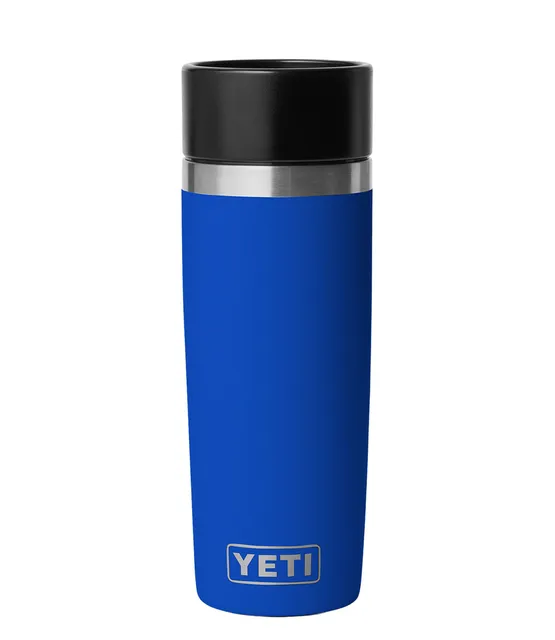
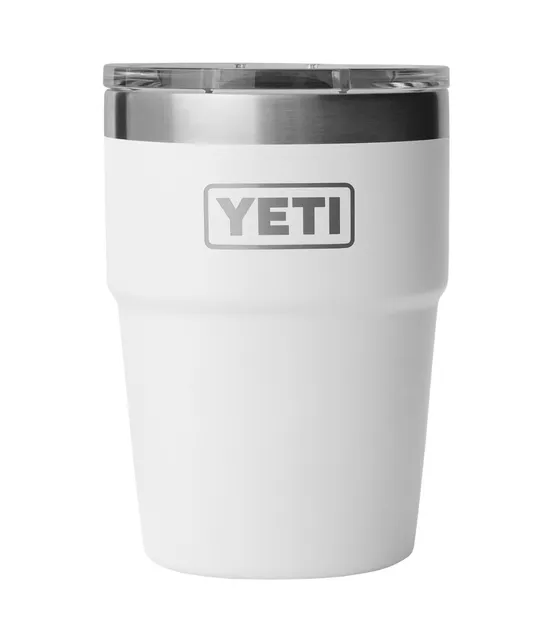
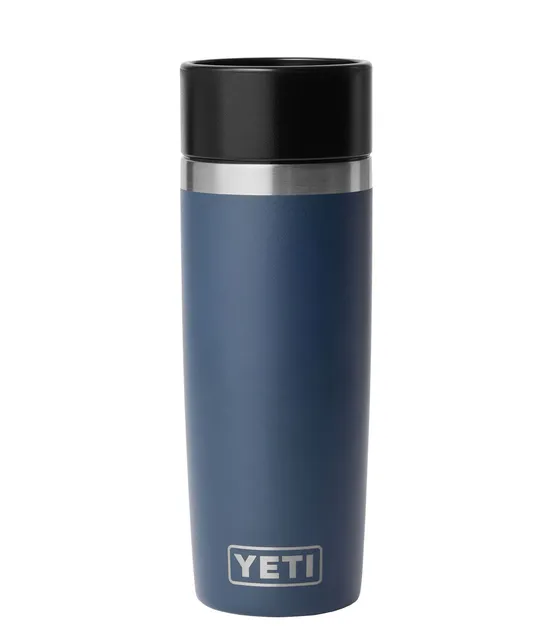
L.L.Bean ad creative: Yeti Rambler Stackable Cup With MagSlide Lid, 16 oz. Navy

Yeti Rambler Stackable Cup With MagSlide Lid, 16 oz. Navy

Great for camp or home, this Yeti stackable cup is perfect for everything from your morning coffee, mid-day hydration or post-adventure cocktails. Double-wall vacuum insulation keeps drinks cold or hot for hours. Dishwasher safe. Built from tough, BPA-free 18/8 kitchen grade stainless steel. Double-wall vacuum insulated keeps drinks cold or hot. Stacks with other Yeti stackable cups. Cup holder compatible. Splash-resistant Magslider™ lid. Imported. | Yeti Rambler Stackable Cup With MagSlide Lid, 16 oz. Navy

Last Seen
Channel
ChatGPT
Appearance
3
Spot AI ads around your brand

Sponsored

L.L.Bean ad creative: Yeti Flask Navy

Yeti Flask Navy

Rugged and buiilt to last, the Yeti Flask is ideal for carrying your favorite beverage in a small package. Dishwasher safe. Single-wall 18/8 stainless steel. Not recommended for hot or carbonated beverages. Funnel included so you can fill it up with no mess. Leakproof design means you can carry it in your pocket or pack without worry. Imported. | Yeti Flask Navy

Last Seen
Channel
ChatGPT
Appearance
2
Spot AI ads around your brand

Sponsored

Query SEO, GEO, SMM in Claude - SEO & GEO On Autopilot - SE Ranking From $129/mo

Automate the mechanics, keep the judgment. SE Ranking plans from $129/mo, trial free.

Last Seen
Channel
Google AI Mode
Appearance
1
Spot AI ads around your brand

Sponsored

VistaPrint US ad creative: Pulse Insulated Travel Mug – 16 oz.

Pulse Insulated Travel Mug – 16 oz.

Keep your drinks at the ideal temperature all day with this vacuum-insulated camp mug featuring a convenient thumb-slide lid to prevent spills. Take it on your next outdoor adventure, morning commute, or use it at your desk for hours of hot or cold refreshment. It's easy to customize – add your logo, message or info using our intuitive studio. Need a hand? Our design experts are here to help bring your ideas to life.

Last Seen
Channel
ChatGPT
Appearance
4
Spot AI ads around your brand

Sponsored

VistaPrint US ad creative: 12 oz Camper Stainless Steel Thermal Mug

12 oz Camper Stainless Steel Thermal Mug

Keep your favorite drink hot or cold longer with the 12 oz Camper Stainless Steel Thermal Mug. It’s also designed to prevent spills while sipping on the go. Finish with your logo and showcase your brand anywhere you go.

Last Seen
Channel
ChatGPT
Appearance
2
Spot AI ads around your brand

Sponsored

VistaPrint US ad creative: Camper Vacuum Insulated Travel Mug – 16.9 oz.

Camper Vacuum Insulated Travel Mug – 16.9 oz.

Preserve your beverages at the ideal temperature throughout your day, whether you're heading outdoors or commuting to work. This thermal mug features vacuum insulation technology and a spill-resistant lid, making it ideal for camping trips, morning commutes or relaxing by the fire. It's easy to customize – add your logo, message or info using our intuitive studio. Need a hand? Our design experts are here to help bring your ideas to life.

Last Seen
Channel
ChatGPT
Appearance
1
Spot AI ads around your brand

Sponsored

VistaPrint US ad creative: Camping Mug – 16.9 oz.

Camping Mug – 16.9 oz.

Elevate your outdoor adventures with this classic enamel-finished metal mug that keeps beverages at the perfect temperature. Whether you're camping under the stars or gathering around a scout campfire, this durable mug delivers reliable performance for both hot and cold drinks. It's easy to customize – add your logo, message or info using our intuitive studio. Need a hand? Our design experts are here to help bring your ideas to life.

Last Seen
Channel
ChatGPT
Appearance
1
Spot AI ads around your brand

Sponsored

VistaPrint US ad creative: Cove Stainless Steel Tumbler – 16.9 oz.

Cove Stainless Steel Tumbler – 16.9 oz.

Keep beverages at their ideal temperature throughout your busy day with this vacuum-insulated tumbler that features a snap-close threaded lid for secure, spill-resistant transport. Whether you're commuting to work, hitting the gym or running errands, the wide opening makes filling and cleaning effortless. It's easy to customize – add your logo, message or info using our intuitive studio. Need a hand? Our design experts are here to help bring your ideas to life.

Last Seen
Channel
ChatGPT
Appearance
1
Spot AI ads around your brand

Advertisers with the most unique creatives

View all advertisers

How SupaIntent's AI Ads Library works

This collection currently contains 3,458 unique ad creatives SupaIntent observed in ChatGPT and Google AI Mode. It records advertiser, creative, landing-page, and appearance data. A recorded appearance is not an impression, and this library does not report spend, targeting, conversions, or campaign performance.

How often is the library updated?

The server checks the ads feed no more than once per hour and keeps the last successful snapshot available if an update fails.

What does observed mean?

An observation is one recorded appearance in the selected AI product. It is not an impression or a measure of advertising performance.

Can I search by country or category?

Not yet. The current source provides provider and creative data, but does not include reliable country or category fields.